


UX Writing: Why Copy Is Just as Important as Visual Design
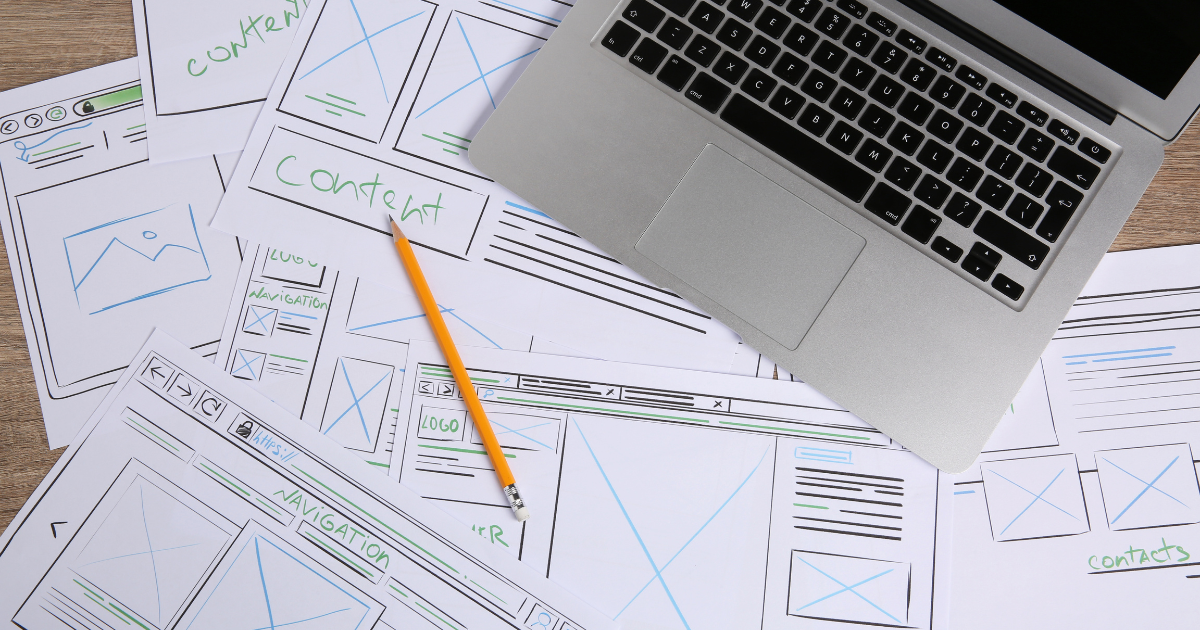
When it comes to building a website or mobile app, the design usually steals the spotlight. Colors, layouts, fonts, and animations are what people notice first, so they're meant to dazzle.
But there's another element of the experience that has just as much power to make or break how users feel on your site: your words.
Writing for the user experience (UX writing) is an underestimated web design tool. It's every word that shapes how a user experiences your website or app, ranging from headlines that tell someone they're in the right place, to buttons that tell them what happens when they click, or labels that make filling out your contact form easy.
When UX writing is done well, it connects with your visitors and compels them to take action.
Copy and Design Are a Team
 Copy and design constantly inform one another:
- The length of a headline affects how a section is laid out
- A call-to-action that needs more context might require more breathing room around it
- A key message buried below the fold might actually need to be the first thing someone sees
When telling the story of a business or product, well-crafted copy defines the brand voice and gives design a clear foundation. The visual elements bring it to life, but the words are what give it meaning. Together, they transform a simple business objective into building a real connection with readers.
Users Are Scanning, Not Reading
Your website visitors are probably not reading every word. They're skimming, looking for what's relevant to them, and deciding within seconds whether they're in the right place.
That means that the structure of your copy matters as much as substance, especially for mobile. Your H1 sets the scene, H2s guide the journey, and tight body copy keeps readers moving whether they're at a desk or on their phone.
Think of your headlines as a safety net. If that's all a user reads, they should still walk away knowing what you do and what to do next.
Say More with Less
More words don't equate to more authority. If anything, the more someone rambles, the less confidence they convey, while someone who speaks succinctly commands attention. So, when companies use overly complex language to describe their services, it feels less like expertise and more like uncertainty.
This doesn't mean sacrificing clarity for brevity. It means finding the best way to explain something with fewer words.
You can say a lot about your company, but most visitors don’t need every detail to take action. Skip the technical jargon and use language that paints a picture or sparks emotion—something that stays with readers long after they leave your page.
Remember: what you choose to leave out is just as important as what you choose to say.
Don't Forget the Human on the Other Side
Don't go so far with editing that you eliminate any warmth. Clarity is everything, but without emotion, an experience can feel like filling out a government form rather than working with a brand that cares.
The best UX copy respects that users are busy, acknowledges what they're trying to accomplish, and makes them feel understood in the process.
 A headline like, "Finally, a simpler way to manage your investment data" isn't just descriptive. It validates the frustration someone walked in with, reassuring them that, "We know this has been harder than it needs to be, and we built something better." That emotional resonance is what creates a website people trust, return to, and refer to others.
It's a tricky balancing act to juggle brevity and emotion, but it's worth spending the extra care to get it right.
Your Words Should Move People to Act
A lot of websites do a fine job of explaining what they offer, but fewer sites actually give users a compelling reason to take the next step. That gap results in missed opportunities.
People don't take action because they understand a service. They take action because they understand how it solves something they're struggling with, saves them time, or makes their life easier.
Compare these two sentences:
- "Our platform includes automated reporting tools."
- "Stop spending hours pulling reports manually. Get the insights you need, automatically."
They're describing the same feature, but with completely different effects. The first gives facts while the second speaks to the frustration of manual work and the relief of not having to do it anymore.
Strong UX copy identifies what your users actually care about and speaks directly to that. It's benefit-driven, making it an easy decision to take the next step.
Consistency Ties It All Together
Great UX writing connects small moments of delight into a consistent experience from start to finish. That sense of familiarity keeps users engaged, so even small deviations in language can disrupt the flow.
For example, if something is called a "Dashboard" in your navigation, a "Home Screen" in your onboarding flow, and a "Portal" in your support docs, users notice—even if they can't pinpoint exactly why something feels off.
Inconsistent language can erode trust and make a product feel unpolished. A coherent vocabulary, tone, and style across every touchpoint (e.g. homepage, app, emails, CTA) makes an experience feel like it was built with intention and care.
These details separate a website that works from one that resonates. When copy and design are treated as equals from the start, the result isn't just a better-looking site. It's a better experience, full stop.
Ready to make your words work harder for your website? Let's talk about a content refresh. Start the conversation today.
You might also be interested in:
The AI email sounds great, until you realize it’s based on a deal record no one updated. Marketing’s new campaign has a similar problem: it missed...



Connect with us to discover how we can help your business grow.
.svg) Contact Us
Contact Us
.jpg)